Utilizing persuasive techniques in your own scenarios, whether verbally, written, or even in design patterns may assist you in strengthening your arguments and appealing to your users.
Status-Quo Bias
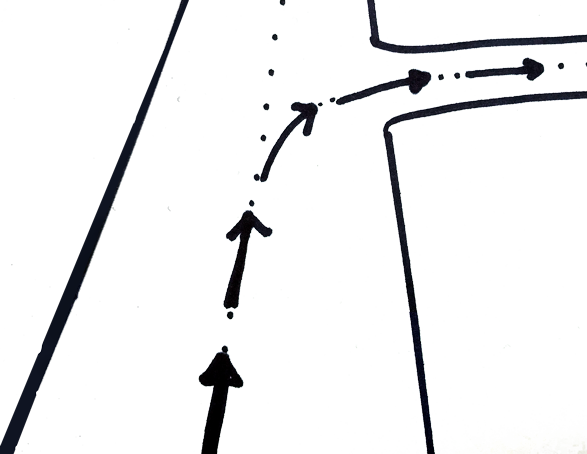
Simply stating what options are more popular is more often enough to influence a decision that sticks. Simply pre-filling a form with the default options is often enough to make people choose them. Alternatively, options that seem too cumbersome to comprehend will make people stick with the status quo.
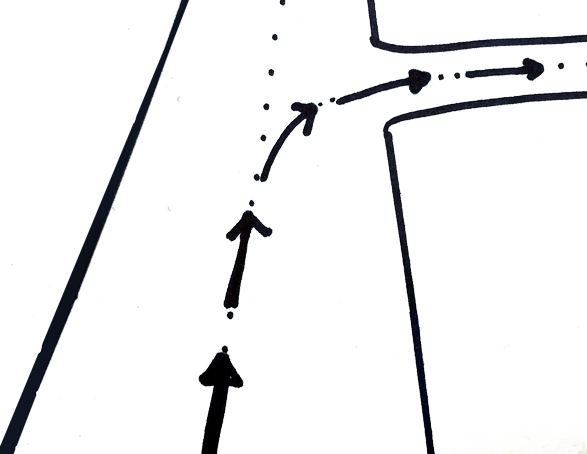
"We tend to accept the default option instead of comparing the actual benefit to the actual cost."
Unlock Features
Use small nudges to cue users to take action – directly or through learned associations.
Simply stating what options are more popular is more often enough to influence a decision that sticks. Simply pre-filling a form with the default options is often enough to make people choose them. Alternatively, options that seem too cumbersome to comprehend will make people stick with the status quo.
Serial Positioning Effect
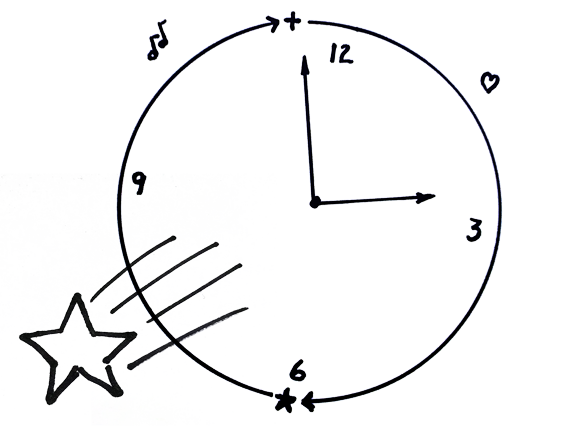
We have a natural tendency to recall the first and last items first when presented in a series.
How do you order list items? Present priority items at the beginning and/or end of a list to maximize recall. This will also intreat the likelihood that users will remember them when they go do make a decision. Items at the beginning may be more easily remembered but those at the end are recalled more easily after their presentation.
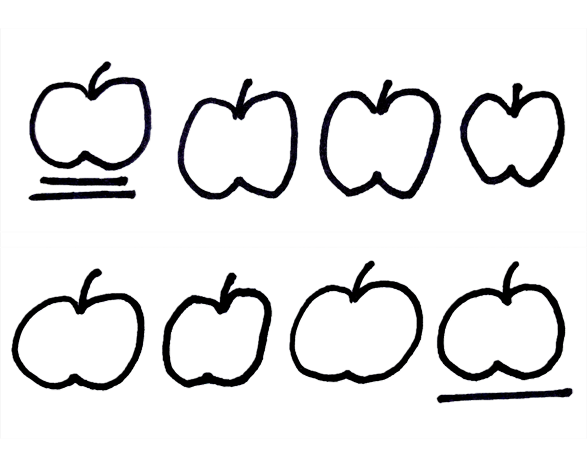
"We have a natural tendency to recall the first and last items first.."
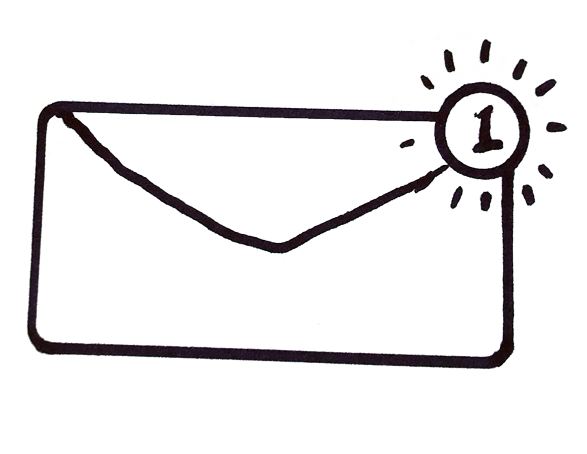
Trigger
Use small nudges to cue users to take action – directly or through learned associations.
Triggers cue the user to take action in the context they are in. Triggers might be notifications, tweets, emails, text messages, links or other distractions. Offline triggers should be considered as well. Triggers can be an alarm, a printed paper, or even a follow up initiated by an action.
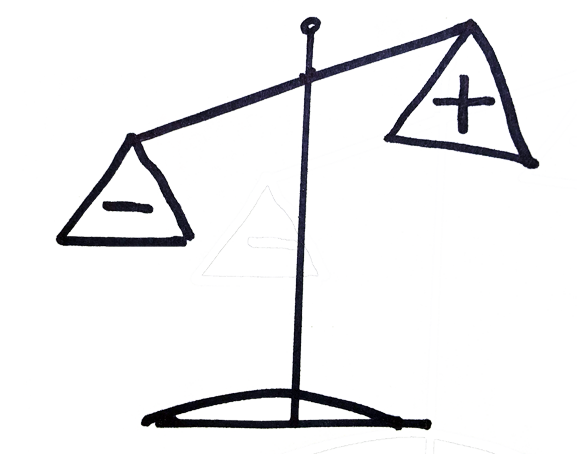
Loss Aversion
Fear of missing out is a stronger motivator more often than the prospect of gaining something of equal value.
The displeasure of loosing something makes us go to greater lengths to avoid than take risks to obtain gains. Frame gains and losses to make some options seem more desirable than others. Offer perceived value that can be lost if a certain action is not taken.
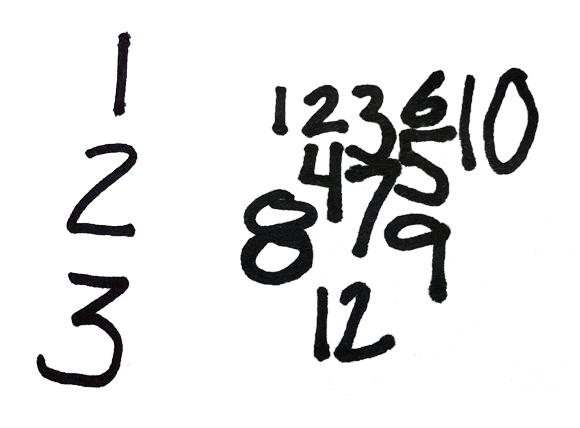
Limited Choice
We are more likely to make a decision when there are fewer options to choose from.
How many choices do you offer? Can this be reduced? Every time you make it easier to think, they are more likely to make a decision. Simplify decision paths and present the more complex choices first.
Prolonged Play
Reward users by prolonging the their experience to allow for rewards and bonus content.
Identify the central resource of your system. Odds are that this is the most valuable reward that a user can receive. Allow the user to invite, refer or do good deeds by extending the number of actions permitted by month, total storage space, or number of projects available.
Next: Design Patterns
Design Thinking
Design Thinking
Definition: The design thinking ideology asserts that a hands-on, user-centric approach to problem solving can lead to innovation, and innovation can lead to differentiation and a competitive advantage. This hands-on, user-centric approach is defined by the design thinking process and comprises 6 distinct phases, as defined and illustrated below.
www.nngroup.com
The User Story
The user story allows us the ability to narrow our scope towards our most important wants and needs of the user. Only capturing the essential elements of the specific requirements.
“As a [persona], I want to [do something]
so that I can [realize a goal]”
so that I can [realize a goal]”
This format is designed to help be descriptive and to drive better discussions about implementation. Below are the the user stories that were created.
"I get to learn something new every day and build something to help people achieve their goals."
Gotta project?
Have questions?
Have questions?